Thomson Reserve Prices: The S$959,000 Step to a 3-Bedroom
16 October 2026 · Aaron Ban | NLR Research
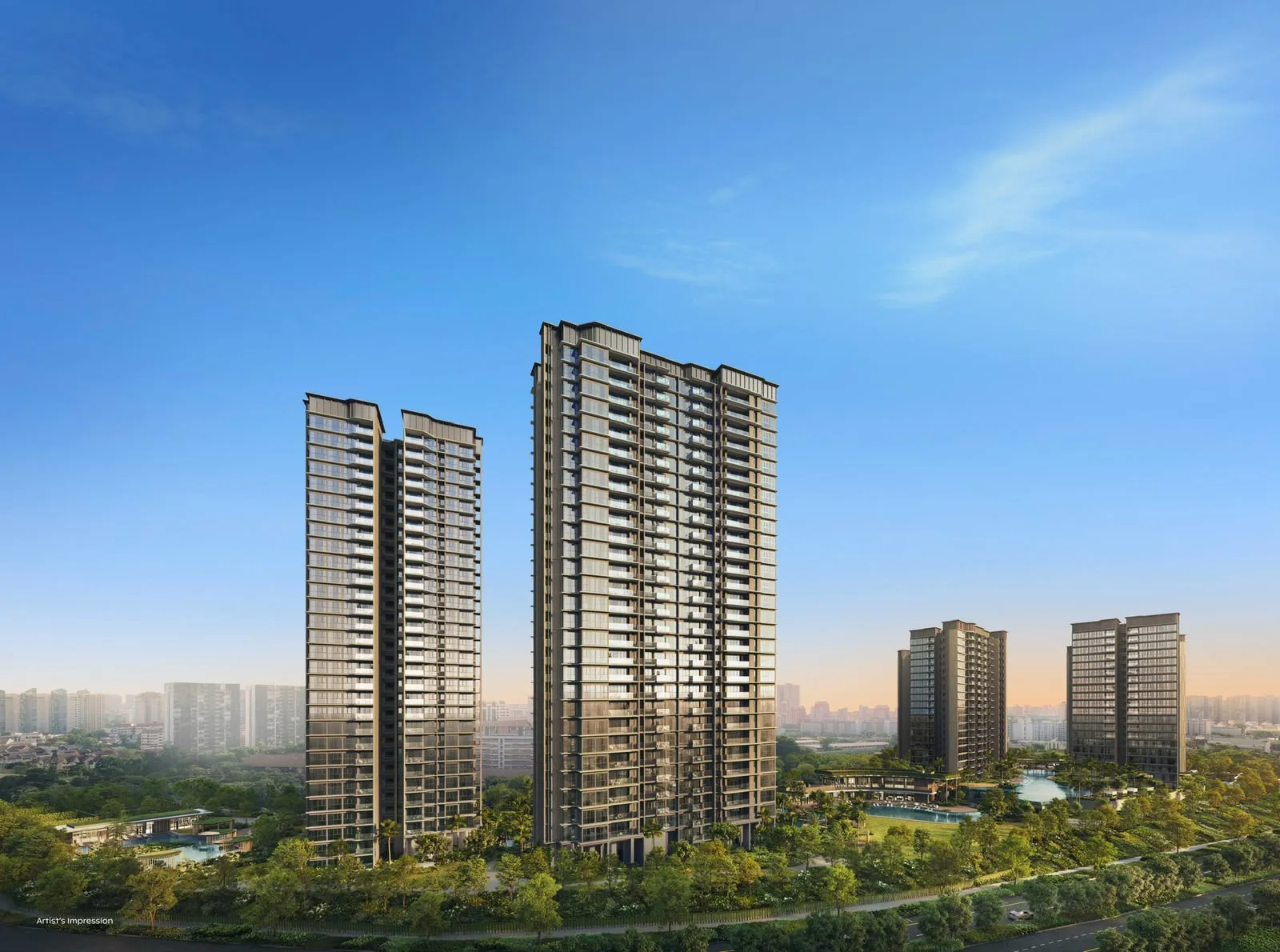
Thomson Reserve's S$1.544 million starting price gives buyers an entry point into Upper Thomson. But the number I would spend more time on is the S$959,000 gap to the entry three-bedroom.
That is a substantial step for a household deciding how much space to buy. A small difference in headline PSF can conceal a much bigger difference in the total commitment.
I went through the developer's 15 October announcement and factsheet to compare the published starting prices. My read: decide which size genuinely works for your household before letting the headline “from” price set the shortlist. The Thomson Reserve project page holds the wider project information and floor-plan options.
Thomson Reserve starting prices at a glance
| Unit type | Published area | Starting price | Calculated PSF |
|---|---|---|---|
| 2-bedroom | 592 sq ft | S$1.544 million | S$2,608 |
| 3-bedroom | 947 sq ft | S$2.503 million | S$2,643 |
| 4-bedroom | 1,238 sq ft | S$3.388 million | S$2,737 |
These are category starting prices published on 15 October 2026, not a complete unit-by-unit price matrix or a promise that a particular home will remain available. PSF is calculated from the rounded square-foot areas. Prices and availability can change.
What does the S$959,000 step to a three-bedroom buy?
On those starting figures, moving from the two-bedroom to the three-bedroom adds 355 sq ft. The price rises about 62.1%, while the published floor area rises about 60.0%. Entry PSF increases by about S$35.
That is a useful way to frame the decision. The three-bedroom does not offer a lower entry PSF in this comparison. Its case needs to rest on whether the additional accommodation is worth the much larger total budget to your household.
I would begin with how you expect to live in the home. Does someone work from home regularly? Will two children need separate rooms? Would visiting parents stay overnight? A room that gets used every day has a different value from one kept for an occasional guest.
Then test the floor plan. Check the bedroom dimensions, wardrobe space, dining arrangement and where a desk would actually go. Published floor area is not the same as usable room space. An additional bedroom only helps if the rest of the apartment still works with your furniture and routine.
For a buyer whose comfortable budget fits a two-bedroom, I would not stretch to a three-bedroom just because the PSFs look close. For a family that already needs three bedrooms, the lowest two-bedroom price is not the relevant affordability benchmark.
The four-bedroom needs a separate budget decision
The next step adds S$885,000 and 291 sq ft: about 35.4% more money for 30.7% more published area. That makes the larger format a separate spending decision rather than an automatic upgrade.
I would write down what the extra room needs to solve before comparing units. It might allow separate bedrooms for the children, a permanent study or space for an older family member. Check door clearances, bathroom access and storage against that intended use.
The category minima are not matched apartments on the same floor with the same facing and specifications. These figures cannot isolate the price of one extra bedroom, establish a floor premium or tell us which stack offers the best value. For that, we need the actual shortlisted units and their prices.
How I would prepare a shortlist before preview
First, set a comfortable total purchase budget with room for acquisition costs, financing and the ongoing cost of ownership. Then shortlist a few layouts that meet the household's needs within that budget.
For each, I would ask for the exact floor, facing and specification sheet. Walk the route you would use to the station and shops. Check where the home sits relative to roads, neighbouring blocks and shared facilities. A preferred outlook can be worth paying for, but the premium should be attached to an identifiable benefit.
I would also compare a suitable completed home in the neighbourhood. Record its asking price separately from recent achieved transactions, then allow for renovation, remaining lease and move-in timing. A new home may suit you better, but the comparison should show what the extra spending buys.
The Lucerne Grand price analysis makes a useful companion read on comparing quantum and PSF. Its prices are a dated example from a different project, not a valuation benchmark for Thomson Reserve.
My read
The most useful question is which home you can comfortably own and use well for the years you expect to stay.
I would enter the preview with a preferred layout, a second choice and a firm budget. Once the unit prices are available, compare the actual homes on that list. The lowest headline quantum can start the conversation; the apartment's usable space, privacy and daily practicality should decide where it ends.
Thomson Reserve preview and price questions
When does the preview start? The developer has announced public preview from 17 October 2026 and sales launch on 31 October. Its sales gallery is at Upper Serangoon Crescent, opposite Riversails, rather than at the Bright Hill Drive development site. Confirm your appointment before travelling.
Are these final prices for every unit? No. They are advertised category starting prices. Ask for the current price of the exact unit and check the applicable sale terms before deciding.
For current project information or to discuss a shortlist, contact Aaron about Thomson Reserve.
Sources
- CapitaLand Development and UOL: Thomson Reserve announcement and project factsheet, 15 October 2026
- NLR calculations from the published starting prices and rounded floor areas. These compare category minima, not matched units.